
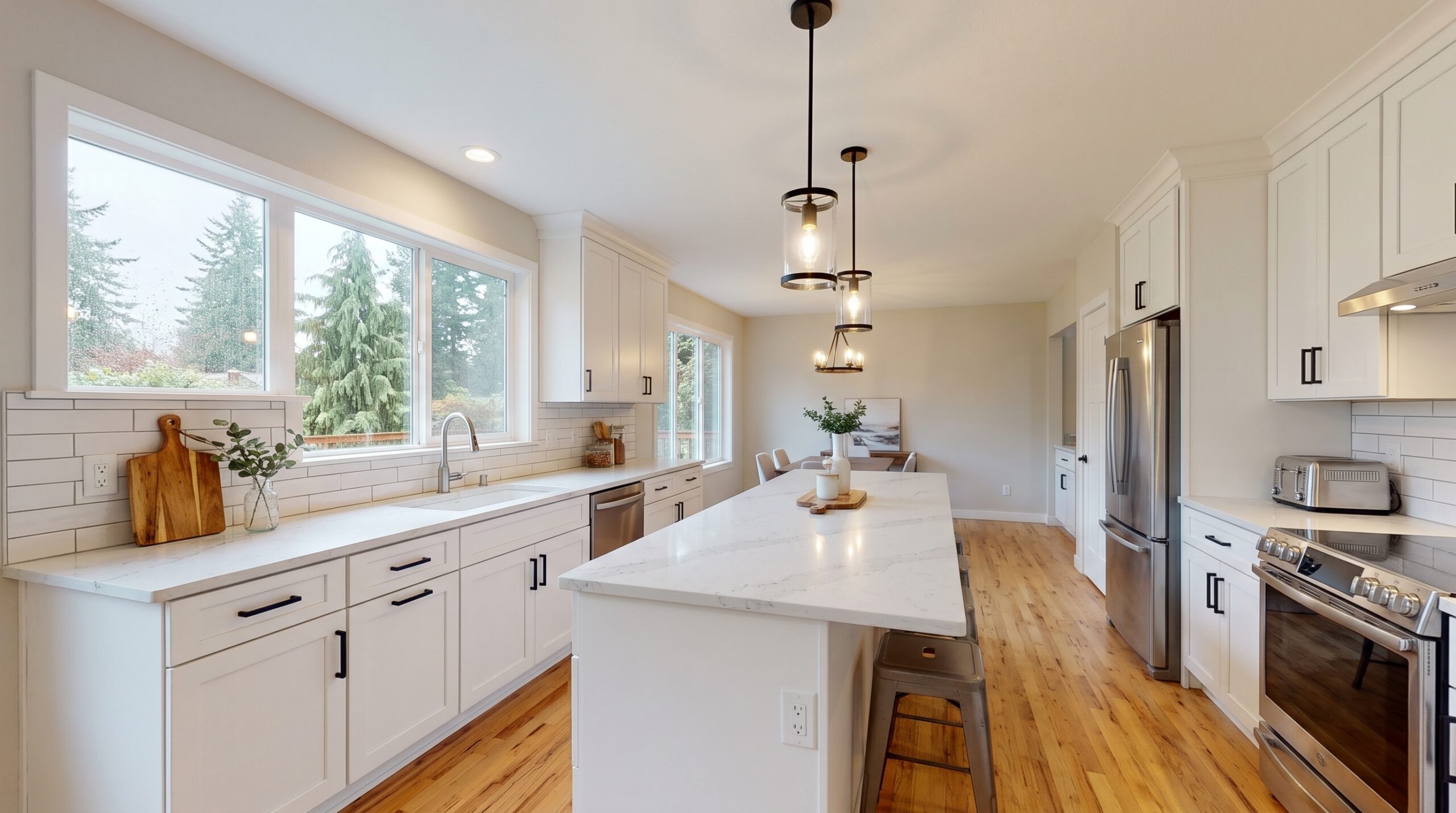
Not all remodels that pay off look impressive on social media, and not every impressive remodel pays off. That is one of the most important lessons I have learned from my years around construction and real estate on the Eastside. I have walked through homes where owners spent six figures on projects that buyers barely noticed, and homes where a few thousand dollars in the right places made a real difference in how quickly they sold.
If you own a home in Bellevue, Kirkland, Redmond or anywhere on the Eastside and you are thinking about remodeling, this guide will help you decide where to spend and where to save, whether you plan to sell next year or stay for a decade.
First, decide why you are remodeling
Before we talk about specific projects, ask yourself one question: Am I remodeling for me, or for the next buyer?
- If you plan to stay five years or more, remodel for your own life. Enjoy the kitchen you have always wanted. Resale value is a bonus.
- If you plan to sell in the next year or two, think like a buyer. Focus on condition, light and broad appeal rather than personal taste.
Both are valid. The mistakes happen when owners mix them up, for example by doing a very personal, very expensive remodel right before listing.
The projects that usually pay off
1. Fresh interior paint
Paint is one of the most cost-effective updates you can make. Neutral, warm whites and soft grays help homes feel bright on our gray Pacific Northwest days, and they let buyers imagine their own furniture in the space. Fresh paint also signals that the home has been cared for.
2. Lighting upgrades
Dated light fixtures make a home feel older than it is. Replacing them with simple modern fixtures, adding recessed lighting in dark rooms, and using consistent warm-white LED bulbs is a relatively modest investment that shows up beautifully in listing photos.
3. Flooring
Worn carpet and mismatched flooring are among the first things buyers notice. Refinishing existing hardwood is often a great value. If you are replacing floors, durable options like engineered wood or quality luxury vinyl plank handle our wet climate and busy households well.
4. A kitchen refresh, not a gut remodel
Kitchens sell homes, but a full custom remodel rarely returns every dollar at resale. A smart refresh often makes more sense:
- Paint or reface solid cabinets instead of replacing them.
- Update countertops and the backsplash.
- Replace dated hardware, faucets and light fixtures.
- Upgrade appliances if they are mismatched or near the end of their life.
5. Bathroom updates
Similar to kitchens, focus on what buyers see and touch: vanities, mirrors, lighting, fixtures and fresh caulk and grout. A clean, bright bathroom goes a long way.
6. Curb appeal
Buyers decide how they feel about a home before they walk through the door. Pressure-washing walkways, painting the front door, updating house numbers and porch lights, and cleaning up landscaping are small projects with big impact.
The projects buyers care about but rarely notice
This is where my construction background really comes into play. Some of the most valuable work in a home is invisible in photos, but it shows up in inspections and negotiations:
- Roof condition
- Drainage and gutters
- Crawlspace moisture and vapor barriers
- Electrical panels and wiring
- Water heaters, furnaces and heat pumps
- Side sewer lines
Buyers will not pay extra because your roof is in good shape, but they will ask for a significant credit, or walk away, if it is not. Addressing these systems first protects your sale price.
The projects that often do not pay off at resale
- Highly personalized design: bold tile, unusual colors or very specific style choices can narrow your buyer pool.
- Luxury upgrades beyond the neighborhood: if your home is already priced near the top of your neighborhood, additional high-end finishes may not raise its value much.
- Swimming pools: in our climate, many buyers see a pool as maintenance rather than a feature.
- Converting bedrooms: turning a bedroom into a closet or office can lower appeal for families.
- Unpermitted work: this can create real problems during a sale.
Permits matter more than you think
On the Eastside, cities like Bellevue, Kirkland and Redmond require permits for many types of work, including structural changes, electrical, plumbing and some mechanical upgrades. Unpermitted work can show up during inspection or appraisal, and it can delay or derail a sale. Before you start, check with your city’s permitting department to understand what your project requires.
How to choose the right contractor
A good remodel starts with a good contractor. Here is what I recommend:
- Verify the license. In Washington, you can look up a contractor’s registration, bond and insurance on the Department of Labor & Industries website.
- Get at least three written bids with a clear scope of work.
- Ask for references from recent projects similar to yours.
- Agree on a payment schedule tied to completed milestones, not a large upfront payment.
- Put change orders in writing. Most remodel budget overruns come from unplanned changes.
A simple way to prioritize
If you are unsure where to start, use this order:
- Fix anything related to safety, water or major systems.
- Address deferred maintenance like peeling paint, worn floors and leaky faucets.
- Make cosmetic updates with broad appeal.
- Consider larger remodels only if they fit your goals and your neighborhood.
Let’s talk before you start
If you are planning a remodel and want to know how it might affect your home’s value, I am happy to walk through your home with you. I will give you an honest, construction-informed perspective on what is worth doing, what can wait and what buyers in your neighborhood are looking for right now.
Call or text (206) 510-5909, email aliveiseh@windermere.com, or visit aliveiseh.com.
Ali Veiseh, Windermere Real Estate / East, Yarrow Bay
Leave a Reply