

Mortgage rates are constantly making headlines, and it is easy to assume the number you see online is the same rate you would receive when buying a home.
But that is not necessarily the case.
The mortgage rate you see advertised online is usually a general market benchmark. Your actual rate can be different based on your finances, credit profile, down payment, loan type, and several other factors.
For buyers in Seattle, Bellevue, Redmond, Kirkland, and throughout the Eastside, understanding that difference can help you make a more informed decision instead of letting one mortgage-rate headline determine whether you should buy.
What Determines the Mortgage Rate You Actually Get?
Mortgage rates are not one-size-fits-all. A lender looks at your individual financial profile and the type of financing you are using before determining the rate available to you.
Some of the biggest factors include:
Your Credit Score
Your credit score and credit history can affect the mortgage programs and rates available to you. Generally, borrowers with stronger credit profiles may qualify for more favorable loan terms.
Your Debt-to-Income Ratio
Your debt-to-income ratio, also known as DTI, compares your monthly debt payments with your gross monthly income. Lenders use this number to help determine how comfortably you may be able to manage your mortgage payment.
Your Down Payment and Loan-to-Value Ratio
The amount you put down affects how much of the home’s purchase price you need to finance. Your down payment also influences your loan-to-value ratio, or LTV, which can affect the loan options and pricing available to you.
The Type of Mortgage You Choose
Conventional, FHA, VA, jumbo, fixed-rate, and adjustable-rate mortgages can all come with different qualification requirements and pricing.
This means two buyers looking at similarly priced homes in the Seattle area could receive different mortgage rates.
The Advertised Mortgage Rate May Come With Conditions
Another detail buyers sometimes miss is that advertised mortgage rates may be based on specific assumptions.
The rate you see online may assume a certain:
- Credit score
- Down payment amount
- Loan amount
- Property type
- Mortgage term
- Number of discount points paid upfront
That is why it is important to look beyond the headline number and ask a lender what your complete loan scenario would actually look like.
Can You Lower Your Mortgage Rate?
Depending on your situation, there may be ways to reduce your mortgage rate or lower the overall cost of borrowing.
One option is a mortgage rate buydown, where money is paid upfront to reduce the interest rate.
In some transactions, sellers or builders may also offer concessions that buyers can apply toward eligible closing costs or financing expenses, depending on the loan program and transaction terms.
This can be especially important in a market where buyers may have opportunities to negotiate more than just the purchase price.
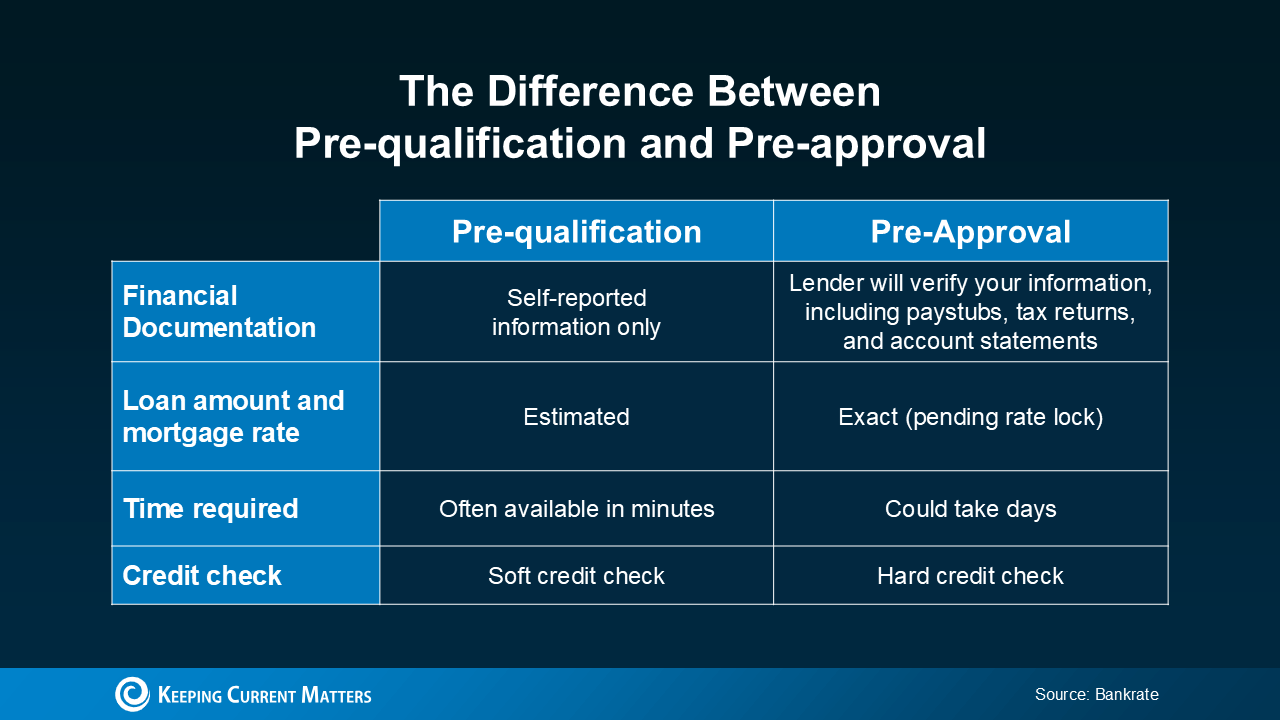
Pre-Qualification vs. Pre-Approval
If you are considering buying a home, it is important to understand the difference between pre-qualification and pre-approval.
Pre-qualification is generally an initial estimate based largely on information you provide to a lender.
Pre-approval typically involves a more detailed review of your financial information and supporting documentation.
A pre-approval can give you a clearer understanding of your purchasing power before you begin seriously looking at homes.
For Seattle-area buyers, this can also make it easier to compare properties based on a realistic monthly payment instead of focusing only on the listing price.
Questions to Ask Before You Buy
Instead of asking only, “What are mortgage rates today?”, consider asking your lender:
- What mortgage rate would I personally qualify for?
- What would my estimated monthly payment be?
- Would paying discount points make sense for me?
- How would a larger down payment affect my financing?
- What happens to my payment if mortgage rates move higher or lower?
- Which loan programs should I compare?
- Would waiting three, six, or twelve months meaningfully change my situation?
Those answers can give you much more useful information than a national mortgage-rate headline.
Why This Matters for Seattle and Eastside Homebuyers
Home prices, property taxes, HOA dues, insurance costs, and financing needs can vary significantly throughout the Seattle metro area.
A buyer looking in Seattle may have a very different financing scenario from someone buying in Bellevue, Kirkland, Redmond, Sammamish, or another Eastside community.
That is why your homebuying strategy should be based on your actual numbers, not simply the mortgage rate you see in an article, social media post, or national headline.
Bottom Line
The mortgage rate you see online is a useful benchmark, but it is not necessarily the rate you will receive.
Your actual mortgage rate depends on your financial situation, loan program, down payment, credit profile, and several other factors.
If you are thinking about buying a home in Seattle or the Eastside, start by understanding your personal financing options. Once you know your real numbers, you can make a much more informed decision about whether buying now makes sense for you.
Leave a Reply